The 100-Week Wait: How Transformer Shortages Are Stalling the Global Grid
If you are planning a large-scale infrastructure, renewable energy, or data center project right now, there is an invisible wall you are about to hit: the power supply chain.
Currently, the global supply chain for high-voltage transformers and heavy-duty switchgear is experiencing unprecedented bottlenecks, with lead times stretching to 100+ weeks. That is nearly two years of waiting for the critical heartbeat of any major electrical project.
But how did we get to a point where procuring a transformer takes longer than physically building the facility it powers? And more importantly, what can developers and engineers do to navigate this crisis?
The Perfect Storm: Why the Delay?
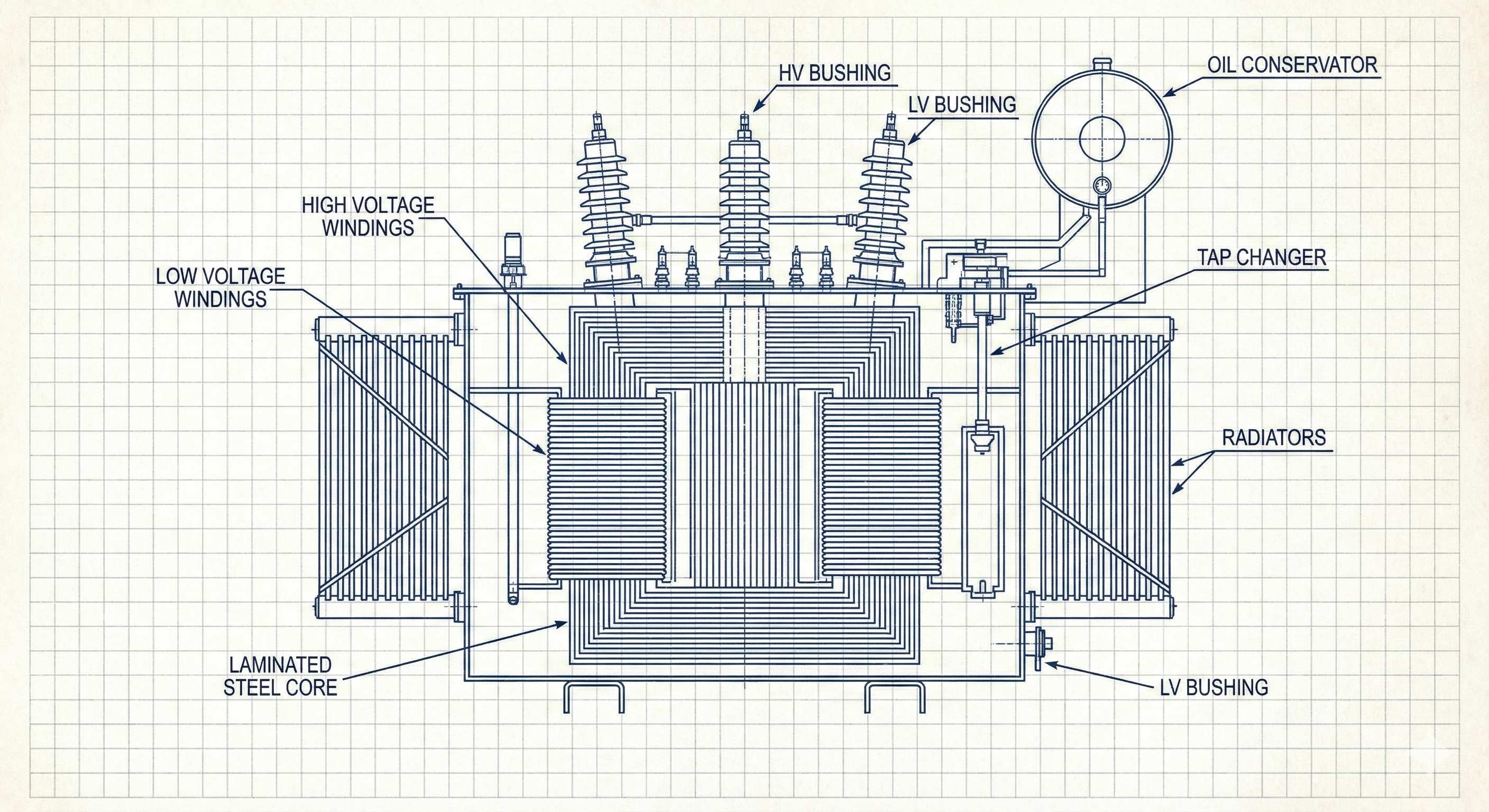
Transformers and switchgear are not off-the-shelf commodities. High-voltage equipment requires highly specialized manufacturing, specific raw materials, and rigorous testing. The current 100-week backlog is the result of several colliding factors:
From EV charging networks and massive data centers (driven by the AI boom) to the electrification of industrial heating, global power demand is skyrocketing.
Transitioning to wind and solar requires massive grid modernization. Connecting distributed energy resources to the main grid requires thousands of new transformers and substations.
In regions like North America, the existing grid is decades old. Utilities are scrambling to replace aging equipment before it fails, adding massive baseline demand to the backlog.
There is a global bottleneck in grain-oriented electrical steel (GOES)—a critical component for transformer cores. Coupled with a shortage of specialized labor required to build and test these massive units, manufacturers simply cannot scale up production fast enough.
The Ripple Effect on the Industry
A two-year lead time on critical electrical components radically alters project economics and timelines.
Facilities that take 12 months to build are sitting idle waiting for power delivery.
Scarcity drives up costs. The price of large power transformers has surged alongside the lead times, throwing initial project estimates out the window.
Utilities are struggling to keep spare transformers in stock. If a major storm or failure takes out a substation, the lack of backup inventory poses a serious threat to grid reliability.
Navigating the Bottleneck: Strategies for Developers
While you can’t magically manufacture a high-voltage transformer, you can adapt your project management strategies to mitigate the damage:
The traditional model of completing facility design before ordering equipment is dead. Today, engineers must identify power requirements and place orders for transformers and switchgear at the very conception of the project.
Custom engineering adds months to the timeline. Opting for standardized, off-the-shelf designs allows manufacturers to slot your order into production lines much faster.
Don’t limit yourself to new builds. The secondary market for refurbished, rewound, or reconditioned transformers is booming. Reputable rebuilders can often deliver a certified, like-new unit in a fraction of the time.
If tier-one, domestic suppliers are quoting 120 weeks, it is time to qualify alternative international manufacturers. While this requires rigorous vetting for quality and compliance, it can shave months off your timeline.
The Bottom Line
The 100-week lead time for high-voltage transformers isn’t a temporary blip; it is the new reality of a rapidly electrifying world. Surviving this bottleneck requires a fundamental shift in how projects are planned, budgeted, and executed. The developers who win over the next five years will be the ones who treat procurement as the very first step of project development, rather than an afterthought.